

By elevating diagnosis, documentation and patient confidence, AI brings clear-eyed, objective measurement to radiographs, helping clinicians move from passive observation to proactive care.
By Parag R. Kachalia, DDS
 FOR DECADES, dentists have relied on the familiar word watch when interpreting radiographs. Whether evaluating caries or periodontal disease, the absence of objective measurement tools meant watching often became waiting. Dentists waited: for conditions to worsen, for enough radiographic change to justify treatment or for a sign of stability.
Today, dental AI is redefining that approach. Companies have moved beyond simple color overlays to meaningful computational analysis. Colorization may help patients understand disease, but it’s not the sole breakthrough. Real innovation lies in algorithms trained on extensive datasets that can detect, quantify and track changes that even skilled clinicians may miss due to the natural limits of human perception.
AI as the ultimate pair of objective loupes highlights the limits of human vision, which is affected by fatigue, monitor quality, lighting and stress. A borderline lesion may appear different at 8 a.m. and 5 p.m. as these factors influence perception.
AI does not experience these fluctuations. It never tires and never alters detection thresholds based on the demands of the day. It can identify subtle enamel changes and early bone loss. AI does not replace clinical judgment. It acts as a highly reliable second set of eyes, helping clinicians combine objective radiographic analytics with clinical findings, risk factors and treatment goals.
A major step forward is improved image clarity. Overjet’s auto-enhancement feature uses AI to reduce radiographic noise before interpretation. Clinicians no longer need to decipher
grainy digital images. Instead, they see sharper, more consistent radiographs that support clearer and earlier decision making.
A more confident and connected future begins with recognizing that properly developed AI does not replace the dentist.
Shifting from watching to quantifying disease is one of AI’s most important changes. Subtle bone loss that once went undetected between re-care intervals can now be tracked precisely. This opens the door to earlier intervention, including noninvasive options such as Curodont, which shows promise in remineralizing early lesions before restorative treatment becomes necessary.
Early detection becomes less subjective and more data-driven. The ability to quantify small changes allows clinicians to move from passive observation to proactive management.
Patients today want clarity and proof. Dentistry has long faced situations in which one clinician diagnoses five lesions and another diagnoses two. Naturally, patients gravitate toward the lower number. In reality, the provider identifying more problems may simply have seen more and is offering a more complete assessment.
AI introduces an independent, unbiased reference point that strengthens trust and reduces doubt. Every dentist remembers the patient who asked, “Why didn’t someone catch this earlier?” AI helps reduce those moments’ frequency.
AI currently helps support the review of dental claims for more than 115 million American patients. When clinicians use a similar system chairside, they gain insight into how those images may be interpreted once a claim is submitted. This does not change diagnosis, but it helps dentists provide supporting notes or photos when radiographs alone are not enough. The clinician, informed by a full exam, remains the true diagnostician.
A more confident future begins with recognizing that properly developed AI does not replace the dentist. It enhances clarity, supports consistent diagnosis, enables earlier intervention and strengthens patient trust. It transforms radiographs from static images into dynamic datasets. With AI, dentistry can shift from passively watching disease to confidently managing it.
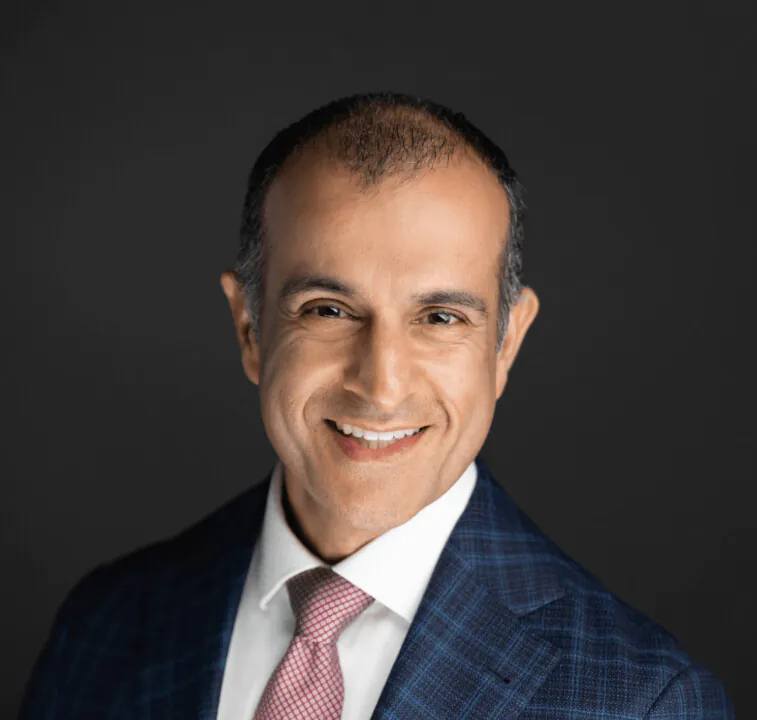
PARAG R. KACHALIA, DDS has presented more than 500 lectures globally on esthetics, adhesive techniques and digital diagnostics. He practices in San Ramon, California, and is currently head of clinical practice at Overjet. Follow him on Instagram @techdds.

 LOADING FORM...