

British celebrity cosmetic dentist Dr. Jana Denzel took a highly unorthodox path to the pinnacle. But his advice for younger doctors looking to build a brand alongside their career is resonant to all.
BY GIA MAZUR MERWINE. PHOTOGRAPHS COURTESY OF DR. JANA DENZEL
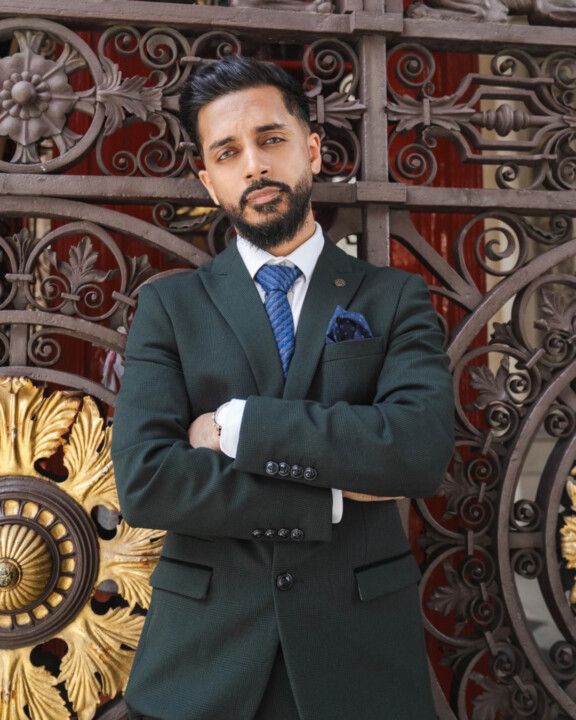 MILLIONS WATCHED when Dr. Jana Denzel abruptly left the British version of The Apprentice in February 2025—a dramatic midseason exit that became instant tabloid chum for the show’s passionate fans. “It started feeling more like entertainment than entrepreneurship,” Dr. Denzel says today. “I wasn’t there to perform. I was there to represent what real dentistry looks like and why it matters.” His dudgeon struck a chord: Viewer support poured in, and the doctor’s brief time onscreen catapulted his personal brand beyond anything traditional advertising could have delivered.
Dr. Denzel hadn’t planned on TV stardom. He auditioned for The Apprentice on a whim, viewing it less as business mentorship than strategic PR play. “You know how much money you’d have to spend on Facebook or Google ads to get yourself in front of 10 million people a week?” he says. “This was a great opportunity. I just wanted to make sure I used it the right way.”
That meant showcasing a growing concern of his: people traveling abroad, particularly to Turkey, for low-cost cosmetic dentistry, often returning with shaved-down natural teeth and poorly executed “veneers.”
“There’s a better way,” he says. “Minimal-prep veneers, aligners, bonding, treatments that put patient health first.” Not exactly standard reality-TV fare, but it resonated. Patient, peer and press attention followed.
The Road to Harley Street
Dr. Denzel, 35, was born and raised in northwest London to Tamil refugee parents who had fled civil war in Sri Lanka. He earned degrees in biology, chemistry and esthetic dentistry, starting his career in Britain’s National Health Service. He was clinical director for Manchester Imaging, a dental AI company spun out of the University of Manchester Dental School, where he worked to improve radiographic diagnosis through artificial intelligence; he also guest lectured in the University of Oxford’s MSc in Applied Digital Health program, teaching clinical entrepreneurship to students at the intersection of health care and tech innovation.
In just two years he made the leap to the esteemed Harley Street, internationally renowned for its concentration of elite medical and dental specialists—a professional destination that typically takes a decade or more to reach. The street is synonymous with high-end private care that draws celebrities, business executives and well-heeled foreigners. (Rihanna and Portuguese soccer star Luís Nani have sought work there.) In 2024 he launched his practice, DenStudio London, on that esteemed thoroughfare.
It all seems glamorous, but Dr. Denzel says he climbed the ladder bolstered by old-fashioned virtues: “You don’t have to wait a decade to be taken seriously, but you do have to act like a professional from day one. The way you carry yourself matters, even before anyone’s watching.” His core advice: “Don’t rush or compare your path to others’. Stay focused, stay kind and trust that everything is unfolding exactly as it should, even when it doesn’t make sense.”
The Lure of the Cosmetic
Dr. Denzel spent last year leveraging his newfound influence, appearing in Rolling Stone U.K., British Vogue and Vogue India. He took advantage of mentoring from well-known L.A. cosmetic dentist Dr. Bill Dorfman, a fixture on our annual 32 Most Influential People in Dentistry list.
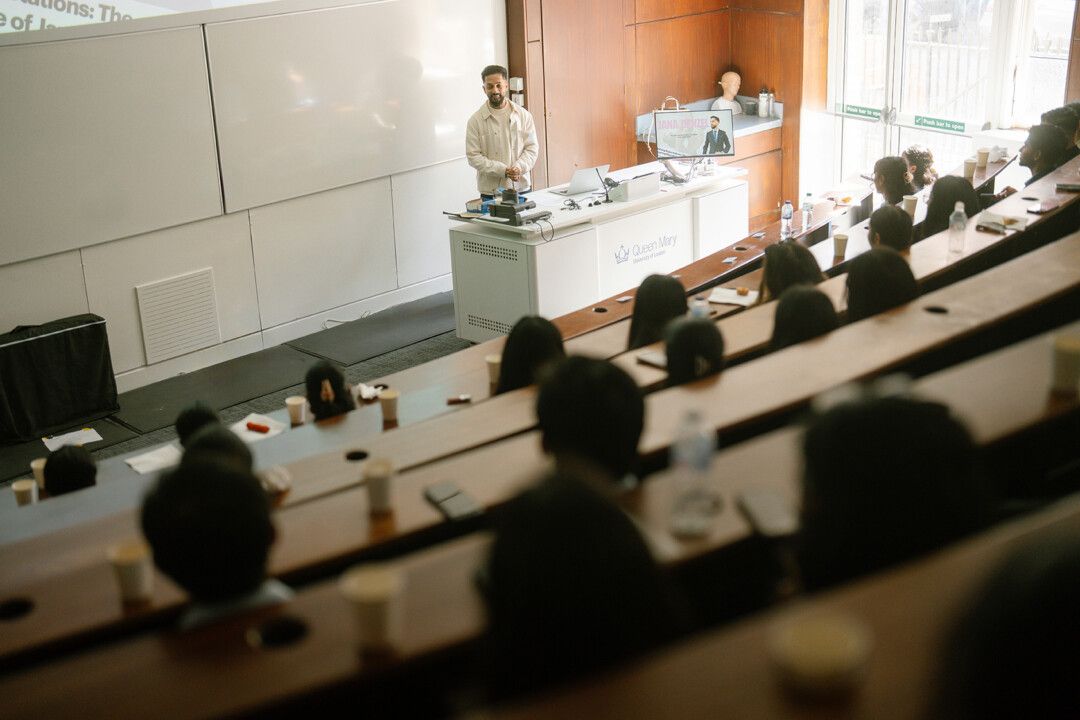
STAND AND DELIVER: Dr. Denzel lecturing to a class of dental students at Queen Mary University of London
He has an agent who helps manage press and brand partnerships but remains hands-on when making decisions. “I’ve never chased followers or clicks,” he says. “It’s about trust. Your brand should match your values.”
That authenticity influences how he positions himself in a nascent U.K. cosmetic market still catching up to that of the U.S. In Britain, esthetics have long taken a back seat to sheer clinical necessity. “In the U.K., it’s always been health first, and for good reason,” he says. “But that meant veneers and smile makeovers were viewed with suspicion.”
As Brits become more open to cosmetic procedures, dentists like Dr. Denzel do double duty: building trust while educating patients on minimally invasive alternatives to potentially risky dental tourism. “We’re not just creating demand—we’re correcting misinformation and presenting healthier options.”
Career Collaborations, Brand Growth
 Are you a young professional working to build a public presence alongside clinical excellence? “Find the five best people in your niche worldwide,” Dr. Denzel says. “Reach out. Shadow them. Learn from them. And don’t just ask for help—offer value in return.”
The way you carry yourself matters, even before anyone’s watching.”
During the pandemic, when most clinics were shuttered, the then-unknown Dr. Denzel pitched interviews he had done with notable dentists to various British dental platforms online. That led to published pieces, mentoring sessions and clinic visits where he could shadow and create further content for the very people he admired. “They didn’t see it as me asking for a favor,” he says of those doctors. “They saw it as free publicity. Everybody wins.”
Newly flush with industry cred, Dr. Denzel today is expanding his practice and developing a line of cosmetic dental products. Even as his brand grows, though, his focus is steady: improving care, educating patients and making the profession stronger and more respected. For anyone considering stepping into the spotlight, meanwhile—whether on social media, onstage on onscreen—he has one final piece of advice. “You already have platforms. Use them. Just make sure what you’re saying matters.”

 LOADING FORM...