
What defines an Incisal Edge 40 Under 40 dentist? Here’s the surprise: Those who earn this recognition aren’t chasing it. They follow a different road map entirely.
By David Rice, DDS
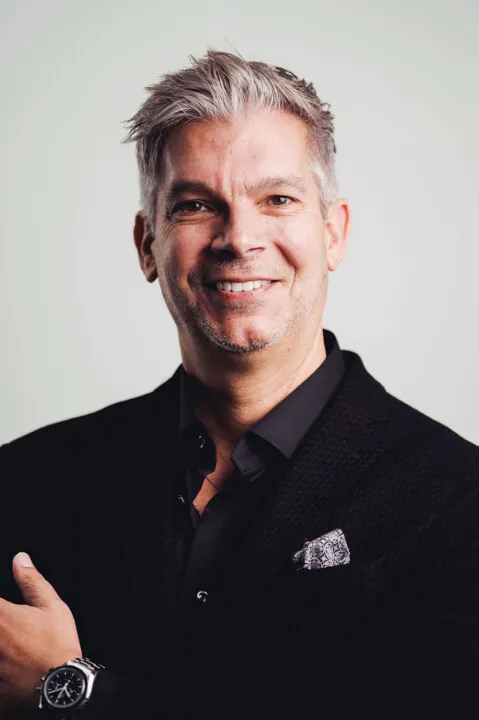 WHAT ARE THE dentists in this issue—each one validated by a jury of their peers—doing differently? Or maybe the better question is this: Do they exhibit any discernible patterns? Something repeatable? They do, but their success is not a matter of credentials or luck. It’s about how these dentists choose to think, lead and build, often long before anyone externally is paying attention. The real takeaway: Whether recognition is your goal or not, each of these choices is available to you right now.
Difference No. 1: They decide who they want to be early.
Most dentists define themselves by procedures. The standouts define themselves by identity. Before the practice grows, before the accolades come, they get clear on three things: what they want to be known for, who they want to serve and why it matters. That clarity becomes a filter. It shapes continuing education, influences how they show up with patients and filters out distractions. Instead of inheriting a version of dentistry, they build toward one intentionally.
Difference No. 2: They master complete care.
High-performing young dentists aren’t busier because they’re faster. They’re busier because they diagnose more and then explain it better. Patients don’t say yes to procedures. They say yes to clarity and trust. That’s why high performers use diagnostics consistently, communicate in a way patients can absorb and present full-picture solutions, even when those solutions unfold in phases. There’s no guessing. No hoping. Just systems and a team aligned around helping patients say yes to what they truly need.
Difference No. 3: They build leadership skills as intentionally as clinical skills.
Here’s the quiet separator: Clinical excellence alone doesn’t create freedom. The dentists who pull ahead learn how to lead early. They run purposeful meetings. They handle hard conversations directly. They set expectations and adhere to them. They understand that a practice’s culture isn’t accidental but rather built, reinforced and protected over time. While others focus solely on production, they’re building teams that make great outcomes repeatable.
Difference No. 4: They build a brand before they need it.
The most successful dentists don’t wait until they own a practice to think about their brand. They share what they’re learning. They engage in their communities. They document the journey as it’s happening—not for attention, but for connection and value. Because like clinical skill and financial growth, influence compounds. When opportunities emerge, they’re not starting from zero. They’re already positioned.
Difference No. 5: They think long-term while acting daily.
No one stumbles into a 40 Under 40–worthy career. What looks like a breakthrough to those on the outside is almost always the result of consistent, intentional action stacked over time. A better patient conversation. A stronger team meeting. A small systems improvement. High performers stay focused, week after week, while others drift. They build when others chase. And over time, those 1 percent gains snowball into something meaningful.
The Bottom Line
If your goal is recognition, you’ll always be chasing a byproduct—and missing the point. The dentists who earn recognition are focused somewhere else entirely. They ask sharper questions: How can I serve better? How can I lead more effectively? What am I building that will last? The 40 Under 40 honorees aren’t different people. They’ve just made a series of intentional choices, earlier and more consistently than most. That’s the difference. And that same choice is yours to make—starting today.
DAVID RICE, DDS founded IgniteDDS, the nation’s largest community for dental students and new dentists. He is editorial director of DentistryIQ and a practice owner in East Amherst, New York. His 27 years of experience includes attending Pankey, Dawson and Spear—along with, as he puts it, the school of hard knocks.


 LOADING FORM...